
Whoa, this feels very tangible. The Tangem card landed on my desk last week. I held it like a credit card, but instinctively I treated it differently. Initially I thought it was just another hardware wallet, but then I realized the design decisions—NFC-only operation, a sealed secure element, and zero battery drain—make it a distinct user experience focused around convenience and physical minimalism. My gut said this might finally be practical for daily crypto use.
Seriously? Yes, and here’s why. The device is literally passively powered, so you tap it to your phone and magic happens (well, cryptography). For someone used to tiny USB dongles and seed-phrase paranoia, the tactile simplicity is disarming. On one hand it feels almost too simple, though actually the engineering trade-offs are interesting and deliberate.
Quick aside: I’m biased, but I like physical things that communicate purpose. The card is thin, matte, and fits a wallet slot. It doesn’t scream “gadget” and that’s the point. In airports and coffee shops, that low profile matters—people don’t need to know you’re holding a hardware wallet.
Okay, so check this out—using a Tangem card is mostly tap-and-confirm. You open the app, hold the card near your phone, and the phone reads the public keys or signs transactions depending on the flow. There’s no battery to charge, no firmware updates for the user to wrestle with, and no cable. That comfort comes with constraints, though; the interaction model is NFC-limited and phone-dependent—which is fine for many, but not everyone.
Here’s what bugs me about most hardware wallets: they pretend to be intuitive but often aren’t. Tangem reduces friction by making the card feel like an identity object instead of a tiny computer. My instinct said this would reduce mistakes, and in practice it did—fewer misplaced recovery seeds, fewer weird firmware warnings, less panic. Still, you do trade away some advanced features that power users might want.
Let me break down security in plain terms. The private key is generated and stored inside a secure element on the card and never leaves it. You can view that as both reassuring and limiting. On one hand, it’s strong isolation; on the other, you’re trusting the card manufacturer with element-level implementation. Initially I suspected vendor lock-in, but Tangem’s approach is transparently documented enough for a careful user to evaluate risk.
I’m not 100% sure about absolute paranoia-proof claims. Really—no product is perfect. There are attack surfaces like NFC relay attacks in theory, and supply-chain risks if you buy from untrusted channels. Still, for everyday threat models (phishing apps, phone malware, casual theft), the card raises the bar considerably. If you pair good cold-storage habits with the card, your assets are much safer than on exchanges or hot wallets.
Using it daily changed how I think about wallets. Before, I reserved hardware wallets for large sums and used phone wallets for small transactions. Now I find myself tapping the card for mid-sized moves because it’s nearly effortless. That behavior change is important—security only works if people actually adopt it. Tangem’s emphasis on convenience nudges behavior toward safer practices without much friction.
There are practical considerations too. The card supports multiple chains, but not every token on every chain out of the box. You sometimes need bridges, companion apps, or third-party integrations for newer tokens. That ecosystem limitation matters if you chase every altcoin the moment it drops. For most mainstream assets, though, it’s solid.
On the hardware side, different Tangem SKUs exist—single-key cards, multi-wallet cards, and enterprise variants. Some are tamper-evident; some are optimized for mass issuance in corporate contexts. I tried a consumer model and a developer kit, and the differences were obvious: the dev kit exposes more features, while the consumer card keeps things locked-down and safe. That’s a sensible split, but choose carefully depending on your needs.
One thing I appreciate is the “zero setup” promise. You don’t read a 24-word seed aloud. Instead you activate a card and the keypair is created on-device. For new users, that reduces scary onboarding. Hmm… though, wait—let me rephrase that: beginners avoid seed-phrase trauma, but they must accept the backup model Tangem prescribes, which often involves registering a recovery method or buying duplicate cards for redundancy. Those backups are different from writing down a phrase, and they require thought.
Cost is another factor. A Tangem card often costs more than a software wallet but less than some high-end hardware devices. For people who value portability and daily usability, the price is reasonable. For banks, exchanges, or physical asset managers, the cards scale well because they can be instantiated en masse, each card a tamper-resistant credential ready to use.
Practical tip: treat your Tangem card like a credit card that holds value—store it separately from your phone sometimes, and consider a duplicate for cold backup. Also, always inspect packaging for tamper indicators if you care about supply-chain integrity. Little steps like that mitigate most real-world threats without being paranoid.
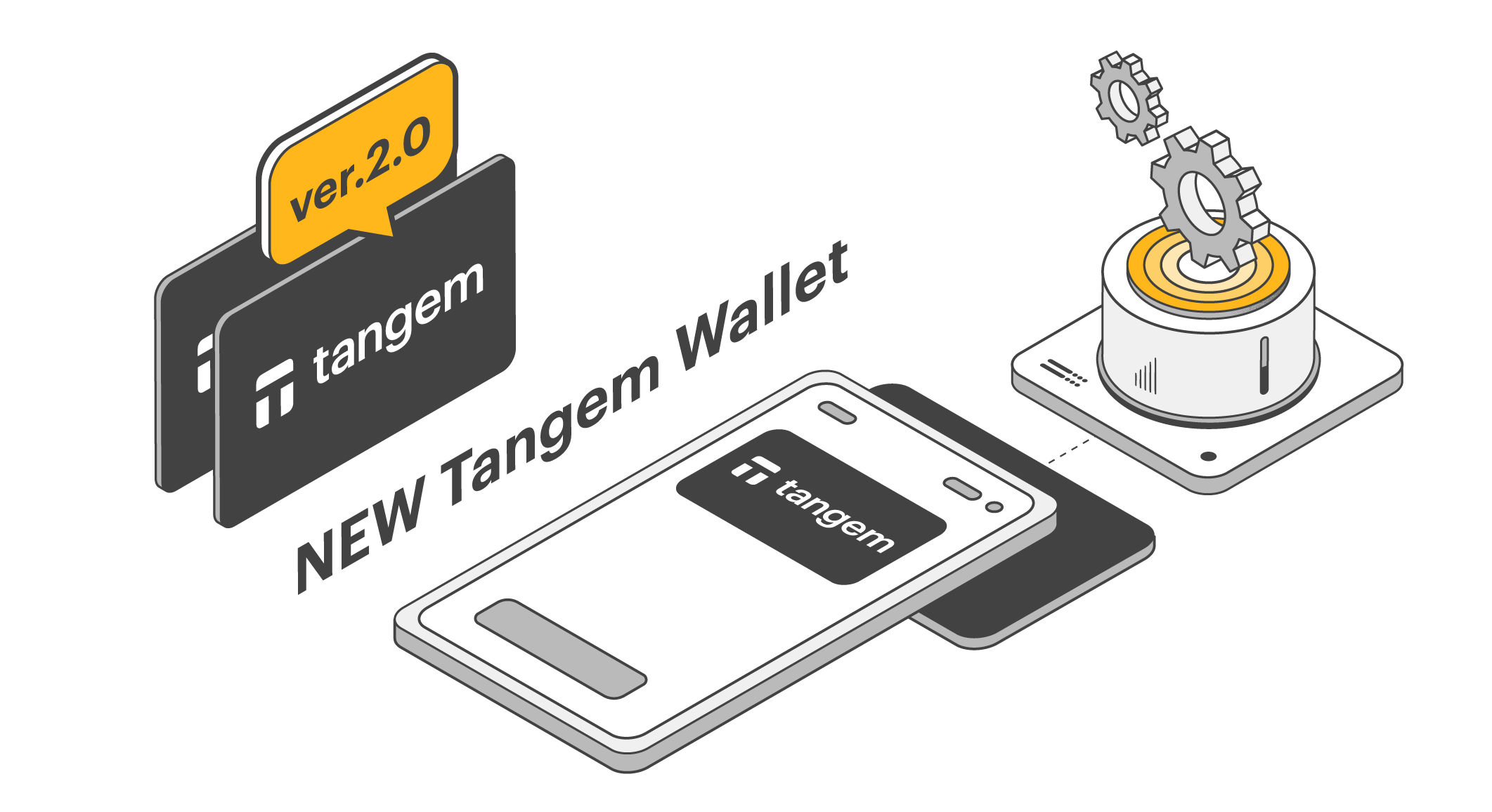
Where to Learn More and Try One
If you want a straightforward resource that walks through the Tangem card’s basics and purchase options, check this page: https://sites.google.com/cryptowalletextensionus.com/tangem-wallet/ which collects practical notes and links I found handy when testing different cards and workflows. It felt like the best single place to start when I was comparing models and thinking about backup strategies.
On interoperability: Tangem plays well with many mobile wallets and dApp ecosystems, but wallet-to-wallet UX varies. Sometimes you tap and get a seamless signature prompt; other times you must copy a raw transaction and paste it into a signing flow, which is annoying. Those edge cases are solvable by improved app integrations, and I expect the UX to smooth out over time as partners integrate tangibly better.
From a developer standpoint, the card is interesting too. You can design issuance systems and custody flows that leverage the sealed element for identity or transaction signing without exposing keys. That’s useful for NFT merch, event ticketing, or corporate credentialing, where a physical object with a private key makes sense. I’m not saying it’s a silver bullet, but it’s a flexible primitive for creative product design.
Okay, more candid thoughts: I miss some advanced multisig features and scripting that desktop hardware wallets expose. For high-security setups, I’ll still use a more configurable device or an air-gapped signer. Tangem excels where convenience and reasonable security intersect, not necessarily where bespoke cryptographic workflows are required.
On the question of long-term custody, think in layers. Use the card for everyday or middle-tier holdings, maintain an offline multisig for the bulk, and treat custodial services as part of a diversified approach if you need institutional guarantees. This multi-layer approach isn’t sexy, but it reduces single points of failure and it fits how Tangem slots into a broader portfolio of tools.
FAQ
Is a Tangem card as secure as a traditional hardware wallet?
Short answer: mostly for common threat models. The private key never leaves the secure element, which is strong. Long answer: if you require advanced multisig or custom firmware auditing, other devices might be preferable; Tangem optimizes for sealed simplicity and user adoption.
What happens if I lose my Tangem card?
You should have a backup plan—either a duplicate card, a recovery method prescribed during issuance, or a multisig arrangement. Losing a single card without backup equals losing access, so plan for redundancy. I’m saying this because it actually matters in practice—don’t skip it.
Can I use the Tangem card offline?
Signing requires a device that can interact via NFC, so entirely air-gapped offline signing is limited compared to USB-based air-gapped setups. You can still maintain cold storage by keeping cards physically offline, though transaction broadcast typically happens via a phone.
Leave a Reply