
Whoa! The Solana ecosystem moves fast. Its blocks are short, transactions pile up, and users need clarity. Initially I thought all explorers were interchangeable, but then I noticed patterns that changed my mind. On the surface an explorer is just a lookup tool, though actually it can shape how people trust a chain.
Really? A small UI tweak can change developer behavior. The truth is that good explorers do more than show transactions; they reveal intent and surface anomalies. My instinct said that a better token tracker reduces friction for builders, and that has proven true in many cases. I’m biased, but UX matters as much as raw RPC performance.
Hmm… Solscan is one of those explorers that often gets cited. It isn’t perfect. It is fast, though, and the way it presents token histories is practical for traders and devs alike. For someone tracking token minting or supply changes, that clarity stops a lot of guesswork.
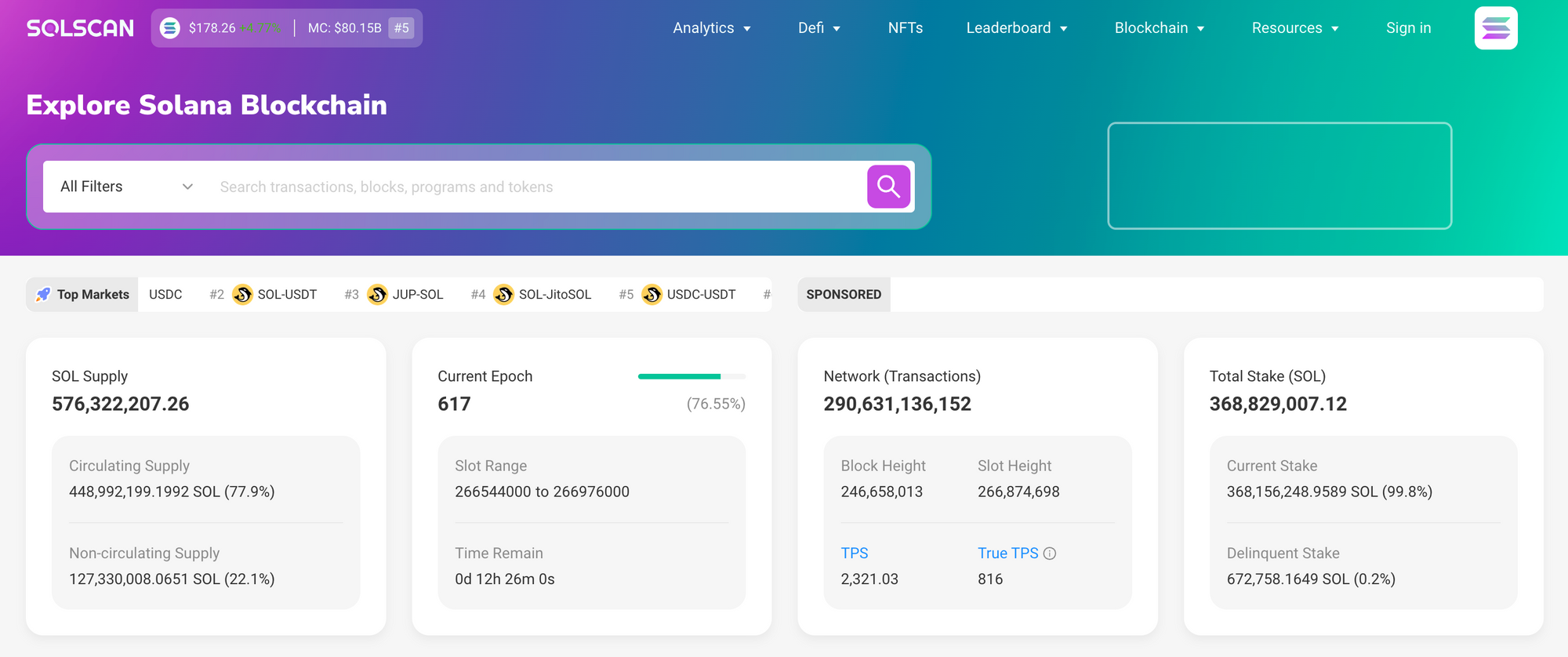
A practical walkthrough — what to look for
Okay, so check this out—when you open an account page you want immediate signals. Short lists of recent txns are handy. Medium-length summaries with links to instructions help newer users. Longer contextual notes, where present, tell you if a token was airdropped or rugpulled, and those clues are gold for decision-making. I remember getting tripped up once by a misleading token name; that taught me to always verify the mint address, not just the symbol.
Here’s the thing. Token trackers must make mint addresses obvious. They also need to show holders and transfers with timestamps you can trust. Some explorers bury that data or make it slow to query, which drives people to third-party aggregators. That is a risk — because aggregators sometimes lag the chain by a block or two, and delays can cost in fast markets.
Seriously? Network latency matters more than you think. When you’re watching a token drop or a program upgrade, seconds feel like minutes. A solid explorer is the difference between reacting or not reacting. On Solana, where the throughput is high and blocks are quick, the explorer’s backend must match that pace or you lose the narrative thread that explains what happened.
Initially I thought the biggest feature was speed, but then realized features trump raw speed for many users. For example, parsing transaction logs into human-friendly events is invaluable. Solscan and its peers try to translate vague program logs into readable actions. That translation is a practical form of UX-driven research, and it helps teams audit behavior post-deploy.
Check this out—if you want to deep-dive a token, look for these: clear mint info, holder distribution, recent transfers, and contract interactions. Also look for exportable CSVs or easy API endpoints if you plan to analyze large datasets. Oh, and by the way, price charts are nice but sometimes misleading when liquidity is tiny or concentrated.
I’m not 100% sure how every tool interprets program logs, and that’s okay. Some ambiguity is inherent in Solana programs since they’re arbitrary code. On one hand, a clean explorer can decode common programs; on the other, custom programs will always require manual inspection. That tension is an ongoing challenge for explorers and for devs who want automated monitoring.
Something felt off about token aggregator dashboards at first. They often smooth over odd holder concentration or obscure whales. A reliable token tracker should make extremes obvious, not pretty. If a handful of addresses control most supply, say so. Tools that hide that fact do a disservice to users and to market health.
I’ll be honest—this part bugs me. Crypto needs better transparency, not more polished wrappers that mask risk. Which brings me to tooling choices: casual users need simple signals, while devs want raw logs and decode layers. The best explorers try to be both, offering a quick glance and a deep dive for when you need it.
Where to start if you want to dig deeper
If you’re ready to poke at a token or trace a transaction, start with the mint. Then scan holder concentration and look for related program interactions. If you want a practical entry point, check tools that expose token metadata and historical supply changes. For a good starting explorer that does many of these well, try the link here — it’s a solid place to begin.
On a technical note, watch for API rate limits and plan your queries. Many explorers provide paginated endpoints rather than heavy bulk dumps, which is smart for stability. Also consider running your own indexer if you need deterministic, low-latency answers, though that costs resources. For hobby projects, relying on a reputable public explorer is fine; for production-grade tooling, roll your own or pay for enterprise access.
Whoa! Security patterns matter too. Check for obvious red flags like sudden token mints to anonymous addresses or program upgrades performed by single keys. Those events should trigger alerts. Building quick watchers that monitor supply changes and large transfers can save reputations and wallets.
On the other hand, remember not every strange pattern is malicious. Some projects do planned burns or migrations that look odd at first glance. Context helps. Good explorers provide links to governance proposals or project notes when available, which helps separate noise from intentional moves.
FAQ — Quick questions people ask
How do I verify a token?
Verify the mint address against the project’s official source, examine holder distribution, and review recent program interactions. Cross-check with social channels and, if possible, wallet analytics. Small clues like metadata mismatches or sudden supply jumps are often telltale.
Which explorer should I use for audits?
Use one that exposes raw logs and transaction traces easily, and pair it with a local indexer for deterministic checks. Public explorers are great for quick checks, but formal audits should include on-chain data pulled directly from your own nodes.
Leave a Reply